
The Leading Boiler Isn’t What You Expect
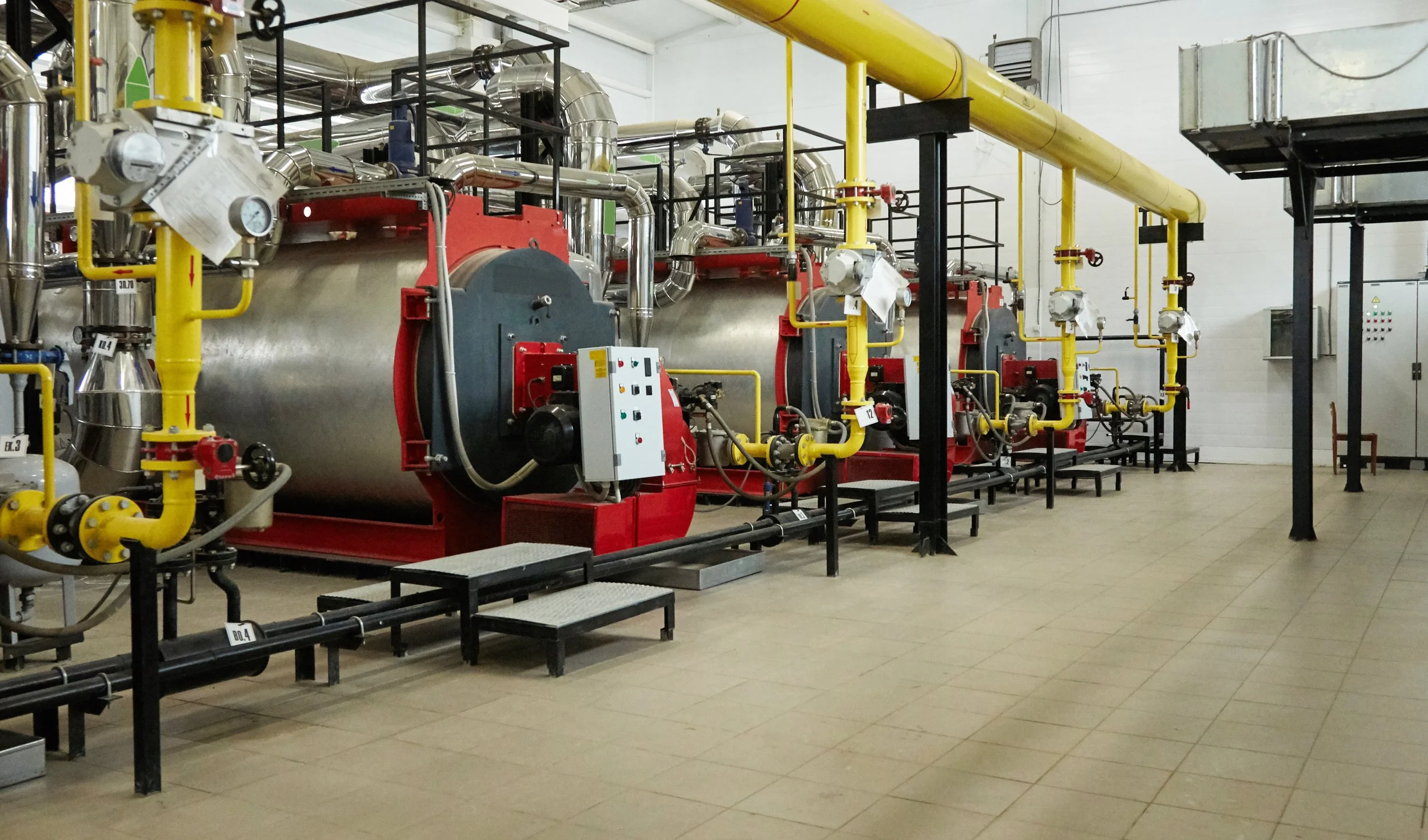
Industrial boilers have been the backbone of the industrial sector for centuries, providing the heat required to manufacture the products and materials we consume today. Historically, boilers powered by fossil fuels have provided the affordable and reliable supply of power that keeps operations hot.
But things have changed, and Australian manufacturing is under pressure.
The price of gas has escalated significantly since early 2000s, there are projected gas shortages and energy security risks, and there is increasing pressure from consumers, governments, and shareholders to reduce emissions. Industrials are seeking a better way forward. The modern criteria for industrials purchasing a new boiler are affordability, reliability, energy security, and increasingly, sustainability.
Many industrial and manufacturing businesses may be surprised to learn that the best technology for process heat is no longer a fossil fuel boiler. Instead, thermal energy storage is emerging as the most cost-effective and future-proof solution. Thermal storage delivers reliable, high-grade process heat around-the-clock to reduce reliance on fossil fuels.
This isn’t theoretical. It’s happening now.
A well‑designed thermal storage system achieves:
The lowest energy cost of any process‑heating technology
Eliminate scope 1 and scope 2 emissions, providing a clear pathway to net zero
Energy resilience by reducing the reliance on fossil fuels for process heating
Simple integration into brownfield sites, minimising redesign and downtime
In other words, it supersedes conventional fossil fuel boilers and outperforms other modern technologies entering the market.
Why thermal storage wins
Renewable energy is the cheapest form of energy available today. However, adoption is limited by the intermittent nature of renewable generation and the continuous demands of industry.
Thermal storage is a long-duration storage technology that decouples the consumption and discharge of energy through load-shifting. Storage is electrically charged during periods when renewable energy supply is high and electricity is cheap. Heat is then recovered to produce high-grade process heat on-demand and around-the-clock. This flexibility transforms the economics of industrial heat. It enables the adoption of intermittent renewable energy without compromising operational continuity. It performs like a traditional fossil fuel boiler, but is powered by cheap, clean renewables.
Works with boilers, not just instead of them
For many operators, the path to decarbonisation isn’t a single leap - it’s a staged transition. Thermal energy storage supports that reality.
Whilst thermal storage can operate as a standalone heat source, it is more commonly integrated in a hybrid configuration alongside existing boilers. This can:
Reduce fuel consumption and operating costs in the short-term
Extend the life of existing boiler assets
Smooth the transition away from fossil fuels
Stage investment to manage capital budgets
Provide redundancy and resilience during peak demand or outages
This compatibility means industrials don’t need to choose between the boiler they know and the future they need. They can have both - and manage the transition on their own timeline.
The writing is on the wall
The industrial boiler has been a workhorse for more than a century. The demands of modern industry - cost efficiency, resilience, and decarbonisation – are reshaping what “best in class” really means.