
Why Long‑Term Thinking Matters for Australia’s Food & Beverage Sector
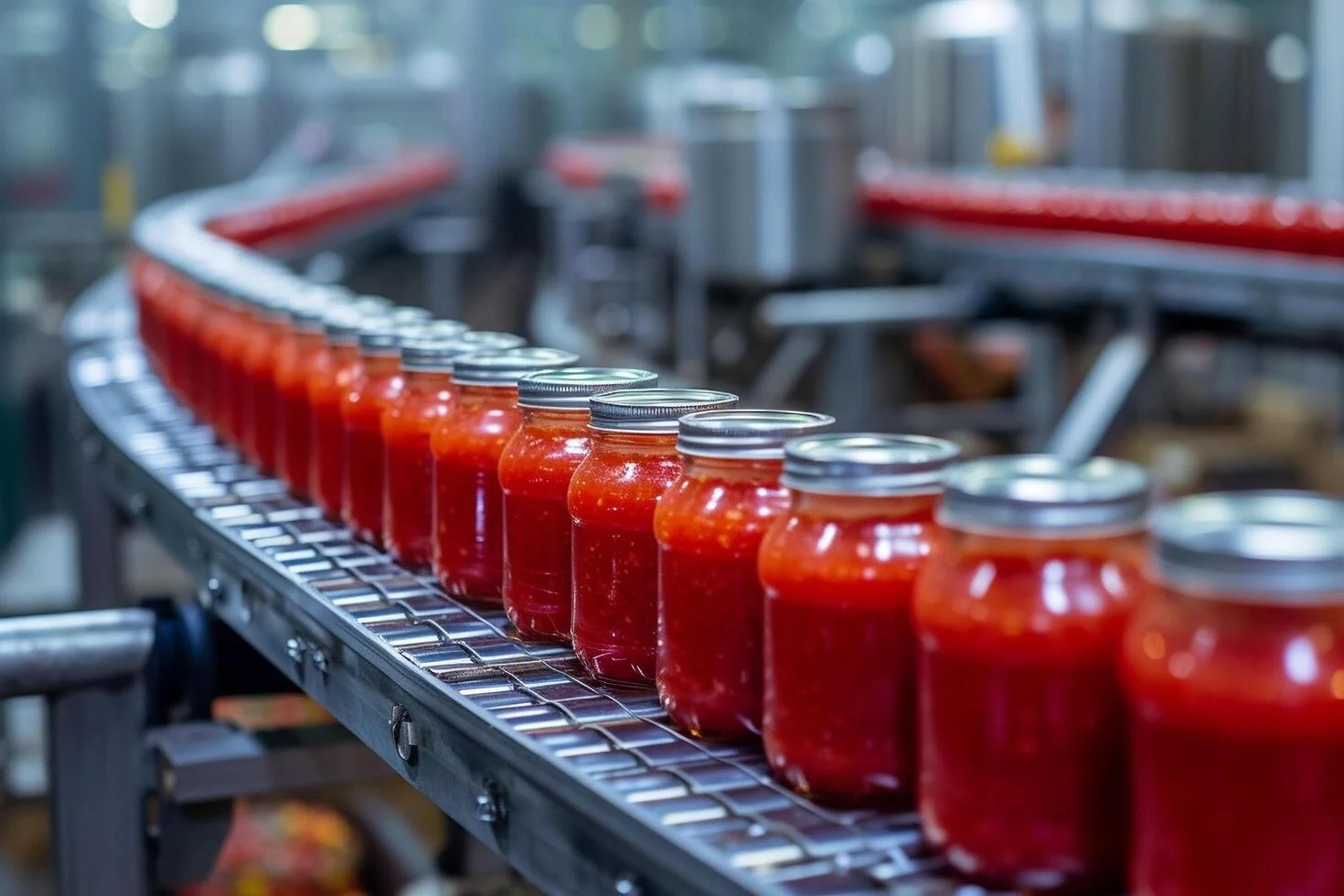
Australia’s food and beverage sector is clearly resilient. Biodiversity hazards, climate disasters, supply chain challenges and international competition are ever present business risks for growers, processors and retailers of Australia’s produce.
Adversity is the catalyst for innovation
During tough times it’s rational to focus on survival, however short-sighted decisions typically do not deliver long-term growth. Through adversity, forward-thinking operators reassess their operations, investigate innovative solutions and develop long-term strategic roadmaps. This delivers resilience and competitiveness – not just for today, but for decades.
Energy Resilience Is Becoming a Strategic Necessity
Food and beverage operations are energy‑intensive by nature. Refrigeration, heating, drying, processing, packaging - every step relies on reliable, affordable and sustainable energy.
Historically, natural gas has been a reliable and affordable source of energy to power industry. However, recent gas price escalation, projected supply shortages and increasing pressure to decarbonise make reliance on natural gas untenable in the sector.
As Australia transitions to renewables, energy resilience is becoming a strategic necessity. And electrification is emerging as a viable pathway to achieve this for the food and beverage sector.
This is where long‑term thinking pays off
New technologies, including MGA Thermal’s heat battery solutions, are giving manufacturers a way to take control of their energy future. By charging when electricity is cheap, storing it as heat and delivering it when needed, businesses can:
Reduce energy costs through load shifting
Improve operational reliability and energy security
Cut emissions without compromising productivity
Increase process efficiency
Build resilience against market volatility
In a sector where margins are tight and competition is fierce, long-term thinking pays off.
Why Now Is the Moment to Invest
There is a groundswell of support to help the food and beverage sector transition. Federal and state government agencies have announced significant policies and funding packages to incentivise technology adoption. The price of renewable energy continues to fall, while the price of natural gas continues to escalate. Shareholders, boards and customers are increasingly demanding that food and beverage businesses reduce reliance on fossil fuels. Thermal storage technology is proven at scale, and ready for client deployment.
Looking Beyond the Immediate Horizon
Australia’s food and beverage sector has a long history of adapting to change - from droughts and supply chain disruptions, biodiversity risks or shifting consumer expectations. The energy transition is inevitable. By pairing innovation with long-term strategic thinking, food and beverage businesses can turn today’s challenges into tomorrow’s strategic advantage and strengthen global competitiveness.
Image from Vecteezy - https://www.vecteezy.com/free-photos/sauce-manufacturing