
Why Modern Carbon Accounting Matters - and Why Victoria’s New Proposal Is a Big Step Forward
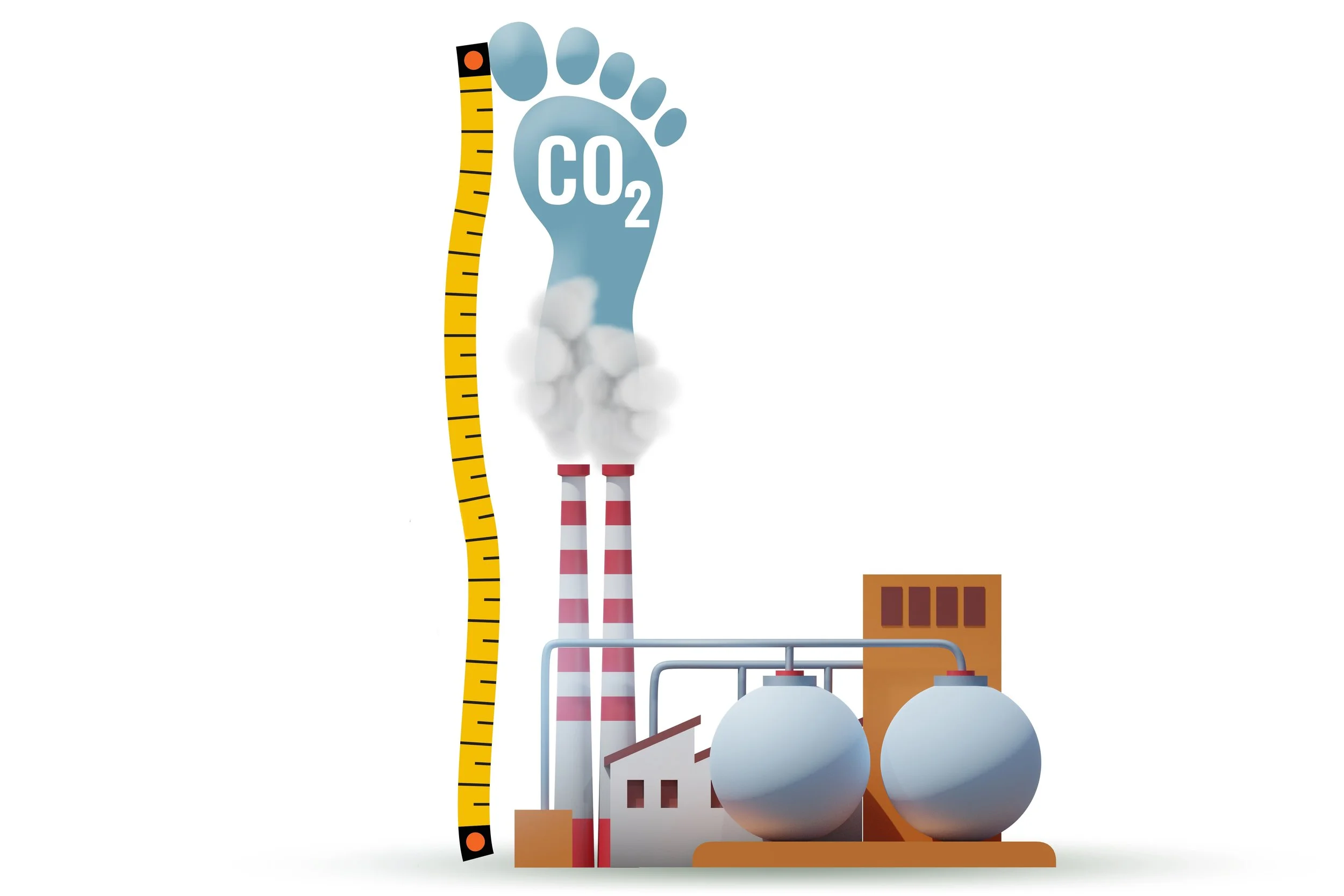
Australia’s electricity system has changed.
Our carbon accounting hasn’t kept up.
Every day, we see longer periods where renewable energy is abundant, low cost, and increasingly curtailed. At the same time, emissions intensity swings dramatically in real-time as variable renewable generation fluctuates across the day.
Yet our current carbon accounting frameworks do not reflect this. Current frameworks use an average emissions intensity factor, which represents the average greenhouse gas emissions per kilowatt-hour of electricity in the grid over the previous year. This fails to recognise the real-time variability in the electricity generation mix, and the actual mix of renewable and fossil generation at the time electricity was consumed. And that creates real problems:
There’s no incentive for energy users to shift electricity demand to periods when renewable generation is higher and emissions intensity is lower.
Users who consume electricity during periods when emissions intensity is low are penalised by the higher average emissions intensity factor.
Energy storage technologies that enable flexible demand and support investment in variable renewable generation - including thermal energy storage - are undervalued.
In short: our accounting frameworks are no longer fair, effective or relevant.
Victoria Is Taking a Meaningful Step Toward Fixing This
Last week, the Department of Energy, Environment and Climate Action (DEECA) released a proposal to update the Victorian Energy Upgrades (VEU) program - and it includes new measurement methods for industrial heat decarbonisation, including electric thermal energy storage (eTES).
By acknowledging the value of shifting energy consumption into cleaner periods, DEECA is opening the door to:
More accurate emissions reporting
Incentivising flexible demand
Faster industrial decarbonisation
Reduced renewable energy curtailment
Increased investment in variable renewable energy
This is exactly the kind of policy evolution Australia needs.
Have Your Say: Public Consultation Is Now Open
DEECA is now seeking feedback on proposed updates to the Victorian Energy Upgrades program, including new methods for industrial heat decarbonisation. Consultation is open until 11:59pm, Tuesday 28 April.
Full details and submission options are available here: https://engage.vic.gov.au/industrial-heat-decarbonisation
MGA Thermal’s Position
At MGA Thermal, we strongly support DEECA’s leadership in bringing modern carbon accounting into the VEU program.
We believe Australia needs measurement approaches that reward real system impact - not annual averages.
We encourage all stakeholders to get involved in this consultation and help move Australia toward a more affordable, sustainable and reliable energy future.